
Junk Journaling: Unleash Your Creativity with Everyday Items

A junk journal brings together everyday materials—ticket stubs, photographs, fabric scraps and snippets of paper—in a notebook or handmade book. You can use it to keep memories, experiment with collage or simply enjoy making something.
If you’re curious about trying it, start with what you already have. This guide covers simple supplies, ideas for pages and ways to make a journal your own.
What Is Junk Journaling?
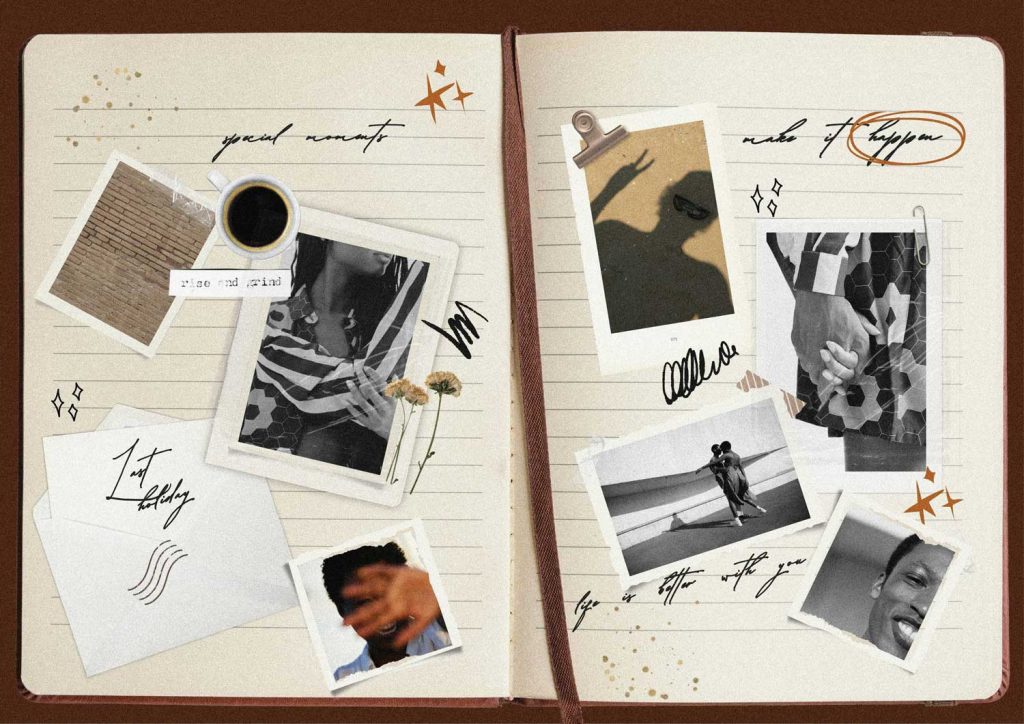
Junk journaling is a type of creative journaling that combines writing, collage and found or saved materials. Pages might include old paper, photographs, drawings, fabric or notes.
The Creative Process of Junk Journaling
There is no set way to make a junk journal. You might start with a notebook and add magazine clippings, ticket stubs or washi tape, arranging them however you like.
You can try different techniques, colors and layouts without worrying about perfection. There’s room to play and see what you enjoy.
Benefits of Junk Journaling
A junk journal can be a space for creativity, self-reflection or keeping small memories. You can write as much or as little as you like alongside the materials you collect.
Some people enjoy the tactile process of cutting, arranging and gluing as a way to pause and focus on something creative. The experience is personal, and it doesn’t need to look a certain way.
Essential Supplies for Junk Journaling
You can get started with a few things you may already have at home. There’s no need to buy a full set of craft supplies.
Basic Supplies to Get Started
A notebook, some paper scraps and a way to attach them are enough to begin. These basics can also be useful:
- A journal or notebook
- Scissors
- Pens, markers, or other writing tools
- Adhesives like glue sticks, double-sided tape, or a stapler
You can add other junk journal supplies as you go, but it’s fine to keep things simple.
Embellishments and Decorative Elements
One of the most fun parts of junk journaling is adding all the little details and embellishments. Some popular options include:
- Washi tape
- Stickers
- Rubber stamps
- Ephemera like ticket stubs, postcards, or old photographs
- Ribbon or lace
- Buttons or charms
Choose the details you enjoy and mix them in with your saved papers and memories.
Repurposing and Upcycling Materials
Junk journaling is a chance to reuse paper and other materials that might otherwise be discarded.
Old book pages, sheet music, maps and magazines can all make interesting additions. You can also save ticket stubs, business cards and packaging for a future page.
Reusing materials can also help keep costs down. A piece of packaging or an old map can become part of a page rather than going straight into the bin.
How to Create Your First Junk Journal
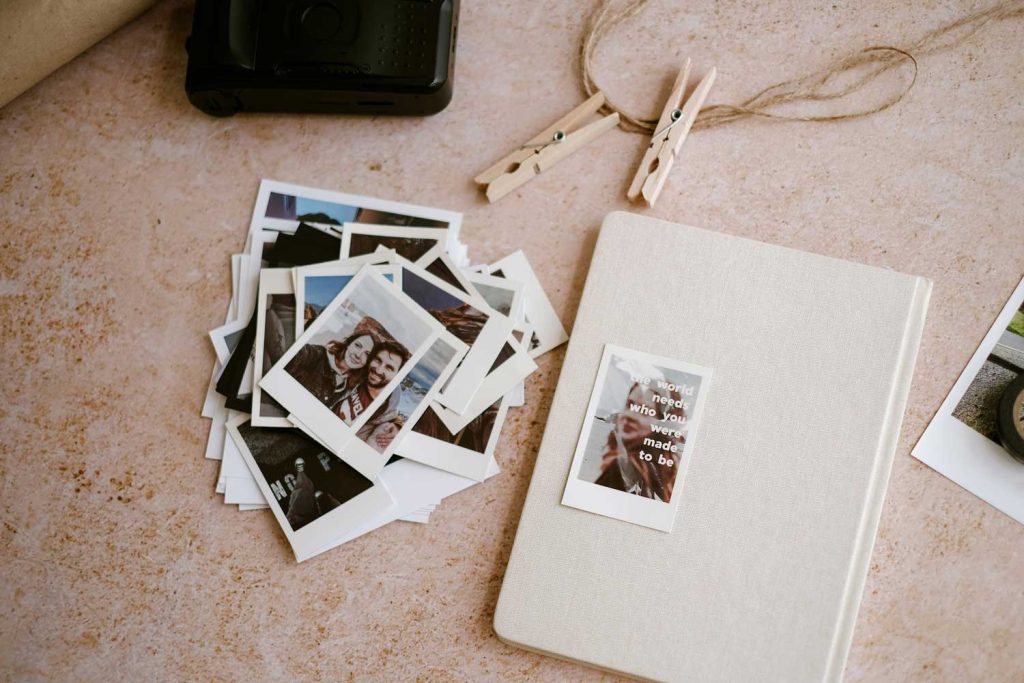
Once you’ve gathered a few materials, you can make a first page or put together a whole journal. Here are some options to get started.
Choosing a Theme or Concept
You might choose a theme, such as a trip, a season or a favorite color, to help you decide what to collect.
A theme can give your pages a sense of connection, but it’s entirely optional. You can also start with a collection of things you like and see where it leads.
If you’d like a starting point, explore some art journal theme ideas, then adapt them to your own materials.
Gathering and Preparing Materials
Gather any papers, images and small keepsakes you’d like to use. You might sort them by color or theme, or simply keep them together in a box.
Cut or tear some pieces to size, then experiment with arranging them before attaching anything.
If you’re using an existing notebook, you can decorate the pages as they are or add paper to make them sturdier. Test paint or glue on a spare page first if you’re unsure how the paper will handle it.
Assembling Your Junk Journal
You can use an existing notebook or assemble a journal with binder rings, sewn sections or another binding method. Start with whichever approach feels manageable.
If you want to bind your own pages, a pamphlet stitch is one option. An existing notebook or binder rings can be a simpler place to start.
A paper cutter can help create straight edges, but scissors work too. For a more organic look, try tearing the paper by hand.
Decorating and Embellishing Pages
Once you have a notebook or pages ready, choose a few pieces to arrange together. You can build up the page gradually rather than deciding on every detail at once.
You could work on several pages at once, adding layers as you go. Try collage, stamps, stencils or die cuts to create different shapes and textures.
Pockets and tags can hold extra photos, notes or small keepsakes. Decorative tape can also be useful for attaching pieces or adding a border.
Try a few arrangements before gluing anything down. If something doesn’t work the way you hoped, you can cover it, move on or let it become part of the page.
Key Thought: Junk journaling is all about creativity and freedom, using “junk” to craft unique journals. It’s a fun, therapeutic way to express yourself and recycle materials. You just need paper, glue, and any decorative bits you love. Dive in without worrying about perfection; let your imagination guide you.
Junk Journal Theme Ideas and Inspiration
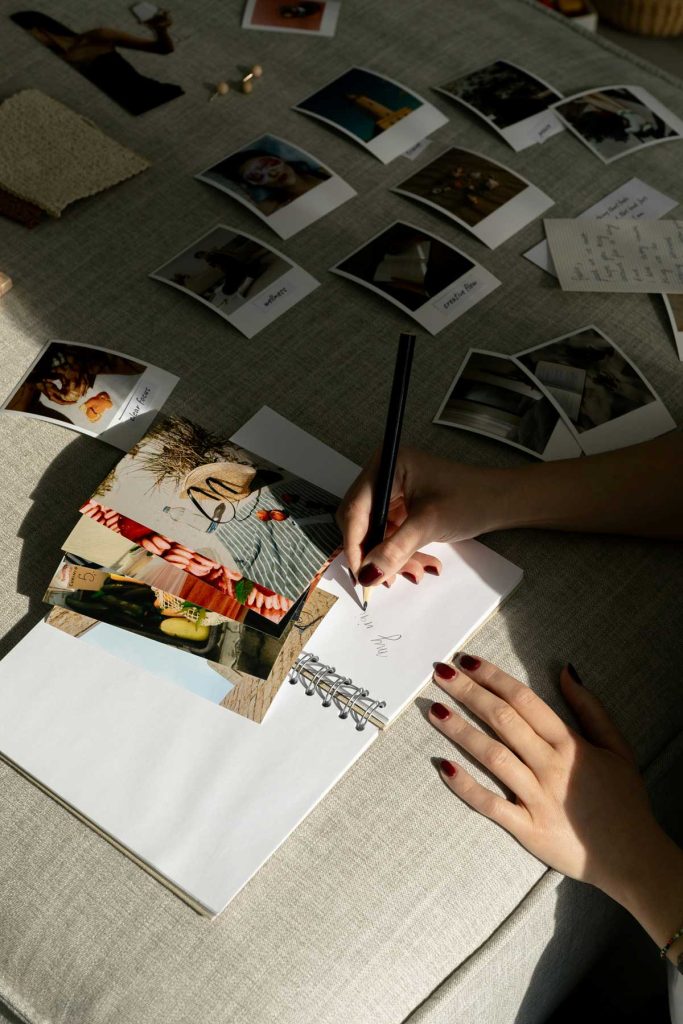
A theme can be a helpful starting point when you’re deciding what to collect. Here are a few ideas, from travel memories to the natural world.
Travel and Adventure Journals
For a travel journal, collect small pieces along the way, such as ticket stubs, maps and brochures.
Add photos and a few notes about the moments you want to remember. These saved papers are often called paper ephemera.
Vintage and Retro Inspired Journals
For a vintage or retro look, try combining old book pages, sepia-toned photos and antique postcards.
Tea-dyed paper is another option for an aged look. If you try it, let the paper dry completely before adding it to your journal.
If you enjoy a nostalgic look, a vintage-inspired journal can bring these kinds of materials together.
Nature and Botanical Journals
Pressed flowers and leaves, along with sketches of landscapes or wildlife, can bring a touch of nature to your pages.
You could also explore eco-printing, a technique that uses plant materials to make patterns on paper or fabric.
You could make a nature journal around a garden, a favorite walk or the changing seasons.
Personal Memory and Scrapbook Journals
A personal memory journal can combine the photographs and keepsakes of a scrapbook with your own notes and reflections.
A concert ticket, a photo from a weekend away or a pressed leaf from a walk could each be a starting point. Add a few words about why you kept it, if you like.
You might make one around a special event, family history or small moments from everyday life.
Tips and Techniques for Junk Journal Success
These simple techniques can help you add writing, layers and texture to your pages. Pick one or two to start with.
Incorporating Journaling and Writing
A few lines about a photo or keepsake can add context to a page. You might write the date, a memory or a thought you want to keep.
Try a pen or pencil, hand-lettering or printed text. Use whatever feels comfortable and suits your page.
Layering and Collaging Techniques
Layering paper and images is one way to add depth to a page. Try placing larger pieces in the background and smaller details on top.
Glue, washi tape and staples can be used to attach different pieces. Try layering materials before fixing them in place.
Creating Pockets and Tags
Pockets and tags give you somewhere to tuck extra photos, notes and other small pieces of paper.
An old envelope can make a simple pocket. You can leave it plain or decorate it with paper scraps, ribbon or another material you already have.
Experimenting with Different Mediums
You can also experiment with watercolor, acrylic paint or ink. Test them on a spare page first, as thin paper may buckle or bleed.
If you enjoy mixed media, you can experiment with materials such as gesso or embossing powder. They’re optional—paper and a pen are enough to make a start.
Junk Journal Resources and Community
Tutorials, groups and independent makers can offer ideas when you want to try a new technique or see how someone else approaches a page.
Online Tutorials and Workshops
YouTube has many junk journal tutorials and flip-throughs. A beginner’s video can be a useful way to see how a journal is assembled.
Online workshops can offer a more structured way to learn a technique. Check what’s covered and whether any supplies are needed before signing up.
Junk Journal Facebook Groups and Forums
Facebook groups and forums can be places to share your pages, ask questions or find inspiration. Take a look at each group’s rules before posting.
Examples to explore include Junk Journal Junkies and Daily Junk Journal Prompts. Check whether a group is active and suits what you’re looking for before joining.
Etsy Shops and Marketplaces
Etsy has handmade journals, supplies and ephemera packs if you’re looking for something specific. You can also start with materials you already have.
Browse for ideas, then adapt the techniques and materials to suit your own style and budget.
Key Thought: Turn everyday moments and adventures into art by starting a themed junk journal. From travel memories to nature’s beauty, let your creativity soar with personal touches like photos, ticket stubs, and handwritten notes. Dive into the world of vintage charm or document life’s journey in a deeply personal scrapbook journal. With tips on layering, writing, and using different mediums, you can make each page uniquely yours. And don’t forget: an amazing community awaits to inspire and support your junk journaling journey.
FAQs in Relation to Junk Journaling
What is junk journaling?
Junk journaling combines writing and creative pages with saved or found materials such as paper scraps, photographs and packaging.
What do you write in a junk journal?
You could write a memory, describe a trip, add a few thoughts about your day or simply label the pieces you’ve collected.
What is the difference between junk journaling and scrapbooking?
There is plenty of overlap. Scrapbooking often centers on preserving photos and memories, while junk journals often mix found materials, collage and writing. Either can include all of these elements.
What to put in a junk journal for beginners?
Start with a notebook and a few paper scraps, old letters or pieces of packaging. Arrange them on a page and attach them with glue or tape.
Conclusion
Junk journaling is a way to use the little things you’ve saved to make pages that feel meaningful to you.
Choose a notebook, gather a few scraps and begin with one page. There’s room to experiment, add writing or simply enjoy the process of putting things together.


